
Pick your make to start. Year is optional.
Find the cause of humming, grinding, or growling.
See typical parts, labor, and total costs for your vehicle.
Look up the correct bearing or hub assembly by vehicle.
Step by step replacement, torque specs, and the right tools.
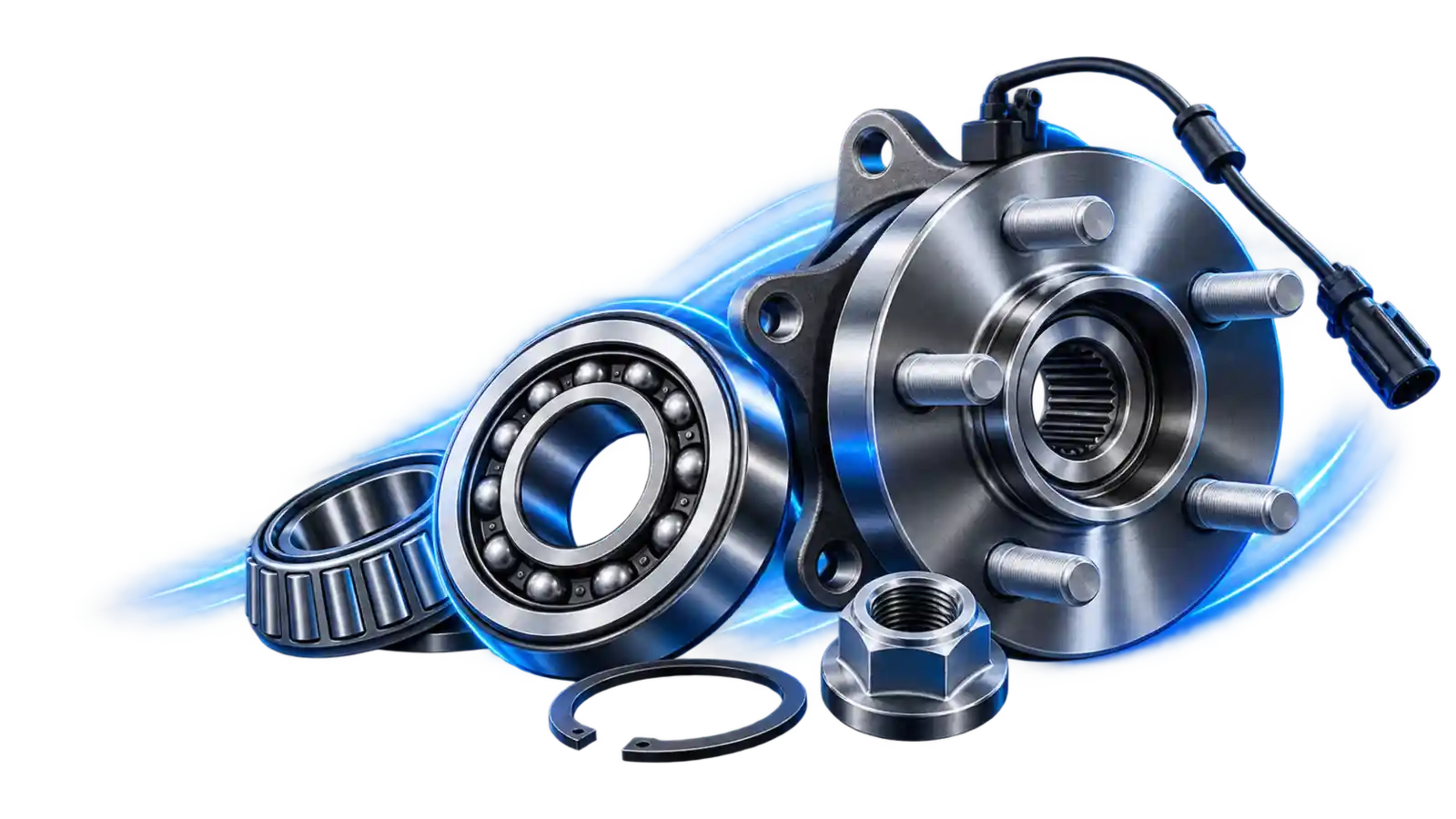
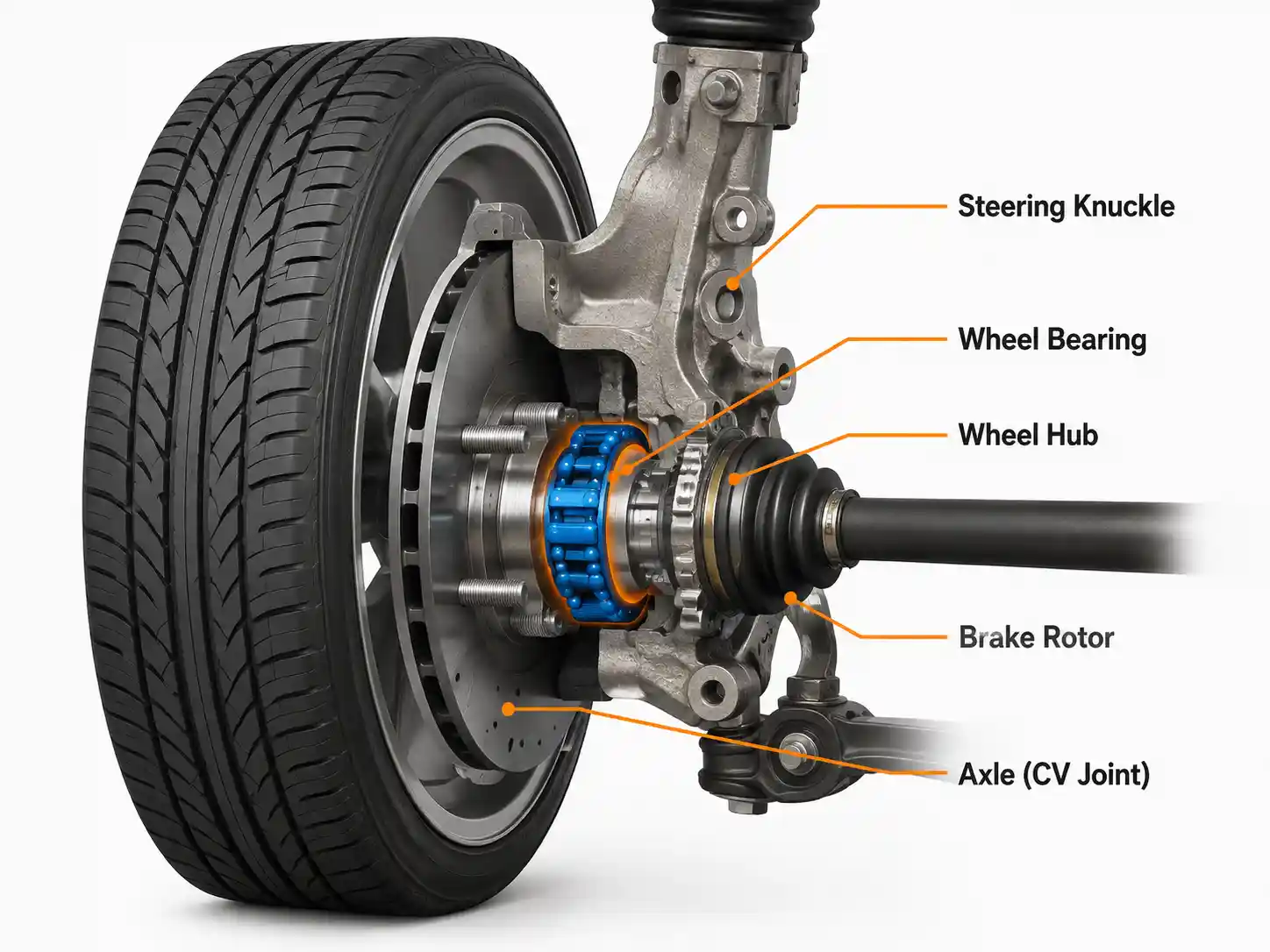
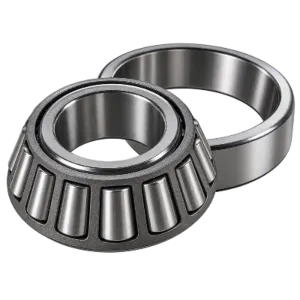
A wheel bearing is a set of hardened steel balls or rollers held inside a metal race. It sits between the wheel hub and the steering knuckle. It carries the weight of the vehicle while letting the wheel spin with almost no friction.
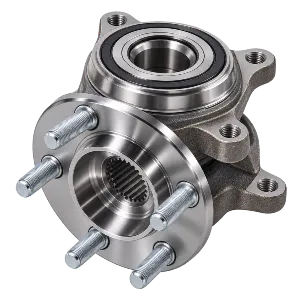
Older vehicles used serviceable bearings that could be cleaned and repacked with grease. Most vehicles built since the mid 1990s use a sealed hub assembly instead, which combines the bearing, the hub flange with its wheel studs, and usually the ABS speed sensor into one bolt on unit.
Most people asking what is a wheel bearing have already heard a noise. If that is you, the symptoms below are the faster route.
Catching a failing bearing early keeps the damage contained. Left alone, a bad bearing can take the hub, the axle and the ABS sensor with it.
A steady drone that gets louder as you accelerate.
Rough, rumbling sound coming from the wheel area.
Often gets louder turning one direction and quieter the other.
A buzz or shake, usually worse at higher speeds.
A loose feeling when you rock the tire at top and bottom.
A failing bearing or hub can trigger ABS fault codes.
Cost varies by vehicle, by location, and by whether you replace a bearing alone or a complete hub assembly. Front and rear differ, and all wheel drive usually costs more than front wheel drive.
| Item | Typical range | Notes |
|---|---|---|
| Parts, bolt-on hub assembly | $70 to $130 | The same part number varies by brand and stock status |
| Parts, pressed-in bearing | $35 to $90 | Cheaper part, but roughly double the labor |
| Labor | $180 to $480 | 1.5 to 3 hours at $120 to $160 an hour |
| Total per corner | $250 to $570 | Bolt-on at the low end, pressed-in at the high end |
Parts prices checked at RockAuto, labor built from published flat rate book times and 2026 shop rate surveys. Checked August 2026. Dealerships and high rate metros run above these figures.
Part numbers, torque specs and fitment notes, broken down by model and year range.
The right tools make the job safer, faster, and far less likely to damage the hub.
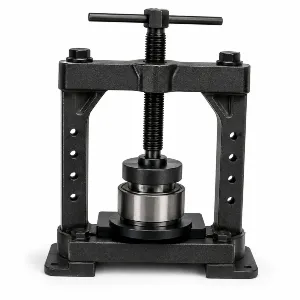
Presses bearings in and out without damaging the knuckle.
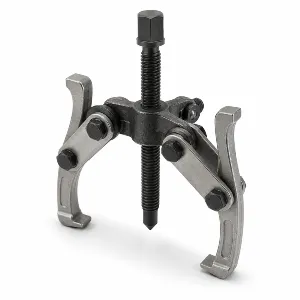
Frees a hub that has corroded into the knuckle.
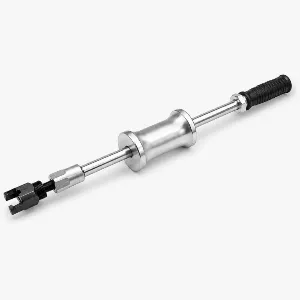
Shocks stuck parts loose instead of prying at them.
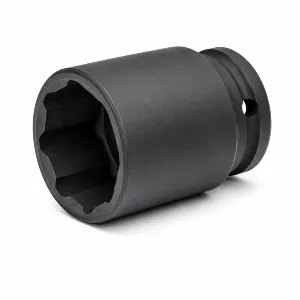
Large thin wall sockets sized for spindle and axle nuts.
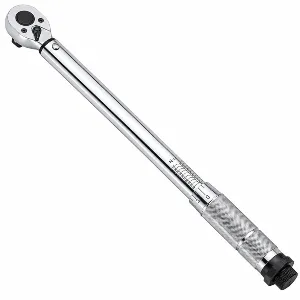
The axle nut sets bearing preload. Guessing here ruins the hub.
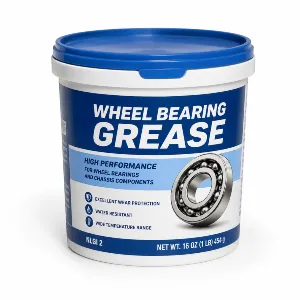
High temperature grease for repacking serviceable bearings.
Trailers, powersports and utility equipment all use wheel bearings, and several of them are serviced very differently from a car.
Loose bearings, repacking, races and seals. A different job from a car hub, and the biggest branch here.
Off road bearing guides and tips.
Wheel bearings and adjustment.
Mowers, carts and equipment.
Commercial wheel end info.